Kids’ Morning Routine: 8 Simple Steps That Actually Work
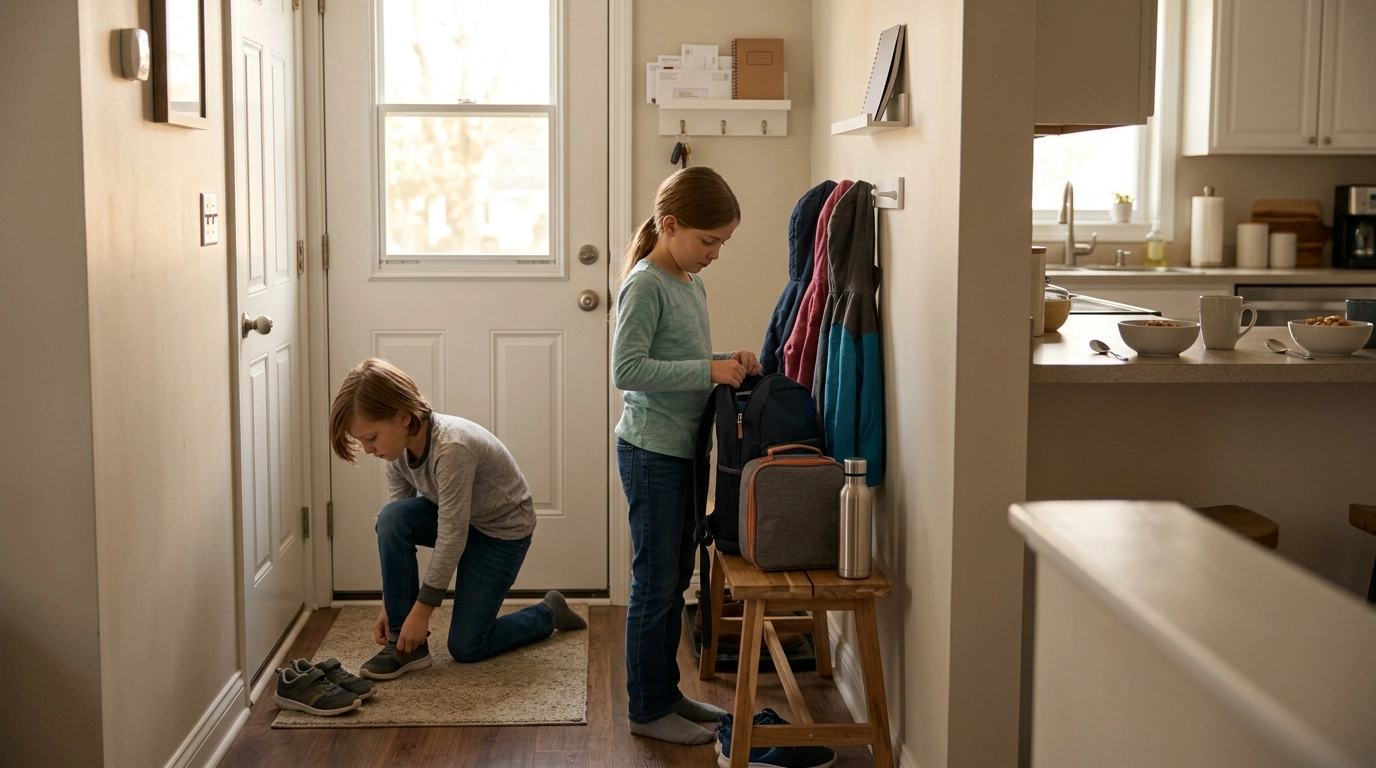
Kids’ Morning Routine Steps: A Calm, Repeatable Start to the Day
Mornings run smoother when kids know what happens next. A simple sequence—built around sleep, hygiene, breakfast, and getting out the door—reduces reminders and helps children build independence. The routine below can be adjusted by age, household schedule, and school start time while keeping the same predictable flow.
What a typical morning routine looks like
- Wake up at the same time most days to keep the body clock steady.
- Bathroom + wash up (toilet, hands, face, teeth) before anything distracting.
- Get dressed with clothes set out the night before.
- Eat breakfast and take any morning medications as directed.
- Pack and check: backpack, lunch, water bottle, homework, device/charger if needed.
- Shoes and outerwear on; quick “launch pad” scan near the door; leave on time.
Consistency matters as much as the steps themselves. When wake time and order stay stable, kids don’t spend mental energy negotiating what comes next—they just move through the sequence.
The 8-step routine kids can follow (with a built-in buffer)
- Step 1: Wake-up cue (gentle alarm, lights on, or a consistent parent prompt).
- Step 2: Make bed or “tidy the sleep space” (one minute reset that signals the day has started).
- Step 3: Bathroom + teeth (use a timer or a song to keep pace).
- Step 4: Get dressed (keep options limited: 1–2 outfits, weather-ready layers).
- Step 5: Breakfast (aim for protein + fiber; keep a short list of quick defaults).
- Step 6: Backpack checklist (homework folder, lunch, water bottle, library/book bag).
- Step 7: Shoes, coat, and final essentials (keys, hat, bus pass, signed papers).
- Step 8: Two-minute buffer (unexpected spills, missing items, sibling needs) before leaving.
Sample timed routine (adjust to your school start time)
| Time | Routine step | Parent support | Kids’ independence cue |
|---|---|---|---|
| 6:45 | Wake up + quick bed tidy | Open blinds, brief reminder | One job first: pillow/blanket reset |
| 6:50 | Bathroom + teeth | Set a 2-minute tooth timer | Finish before choosing breakfast |
| 7:00 | Get dressed | Offer 1–2 outfit choices | Clothes on before screens |
| 7:10 | Breakfast | Serve a default option if needed | Eat at the table |
| 7:25 | Backpack checklist | Point to checklist spot | Pack from left-to-right list |
| 7:33 | Shoes/outerwear | Stage items by the door | Put on shoes after coat |
| 7:38 | Buffer time | Help only after a quick self-check | Find missing items using the launch pad |
| 7:40 | Leave | Confirm transportation plan | Walk out with everything in hand |
Helpful tools that make the routine stick
If you want fewer verbal reminders, put the steps where kids can see them. A ready-to-post chart can be especially useful when different caregivers handle mornings.
- Kids’ Morning Routine Steps printable (simple, repeatable flow kids can follow)
- Goal-Setting Guide for Real Results (help older kids set “morning goals” like being ready by a certain time)
- Mindful Clarity: Journal & Prompts (a calm, low-stimulation option for early risers once they’re fully ready)
Age-by-age adjustments (preschool to preteen)
- Ages 3–5: Use pictures, keep steps to 4–6 items, and build in extra transition time.
- Ages 6–8: Add a simple checklist; practice one “independence step” per week (e.g., brushing teeth without reminders).
- Ages 9–12: Shift responsibility for packing and time awareness; use a visible clock and a short “ready check.”
- Neurodivergent kids: Reduce choices, use consistent order, and consider sensory-friendly clothing and bathroom routines.
- Multiple kids: Stagger bathroom time, assign roles (one packs lunches, one checks the door station), and avoid last-minute negotiations.
For any age, the big win is keeping the order stable. Even if wake time changes for sports or a late-start day, the same sequence helps kids “run the program” without constant prompting.
Set it up the night before (so mornings stay short)
Sleep is the quiet foundation of a good morning. For age-based sleep guidance and healthy sleep habits, see resources from HealthyChildren.org (American Academy of Pediatrics) and the CDC’s sleep overview.
When mornings fall apart: quick fixes for common problems
When you introduce a change, stick with it long enough to become familiar. Habit-building tends to work best when the plan is simple, consistent, and practiced the same way every day (Harvard Health Publishing discusses habit development approaches here).
Make the routine visual with a simple chart
- A visual routine helps kids follow steps without repeated reminders and supports consistency across caregivers.
- Keep the chart in the same location (bathroom mirror, bedroom door, or near the launch pad).
- Start with fewer steps and add one at a time once the flow is working.
- Use the same wording every day (short verbs: Wake, Wash, Dress, Eat, Pack, Shoes, Go).
- For a ready-to-print option that can be posted at home, use the Kids’ Morning Routine Steps printable.
FAQ
What is a typical morning routine for kids?
A typical routine is: wake up, bathroom/teeth, get dressed, eat breakfast, pack essentials, put on shoes/outerwear, and leave on time. Keeping the order consistent and adding a small buffer makes it much more workable.
How long should a kids’ morning routine take?
Many preschoolers need about 45–60 minutes, elementary-aged kids often do well with 35–50 minutes, and preteens may manage 30–45 minutes. Add a 5–10 minute buffer for surprises like spills or missing items.
How can kids follow the routine without constant reminders?
Use a visual checklist, limit choices (like two outfit options), and add simple timers for toothbrushing or transitions. Preparing the launch pad the night before and tying optional activities (like screens) to being fully ready also reduces reminders.












Leave a comment