Stress-Relief Pets: Dogs, Cats, Fish, Birds & More
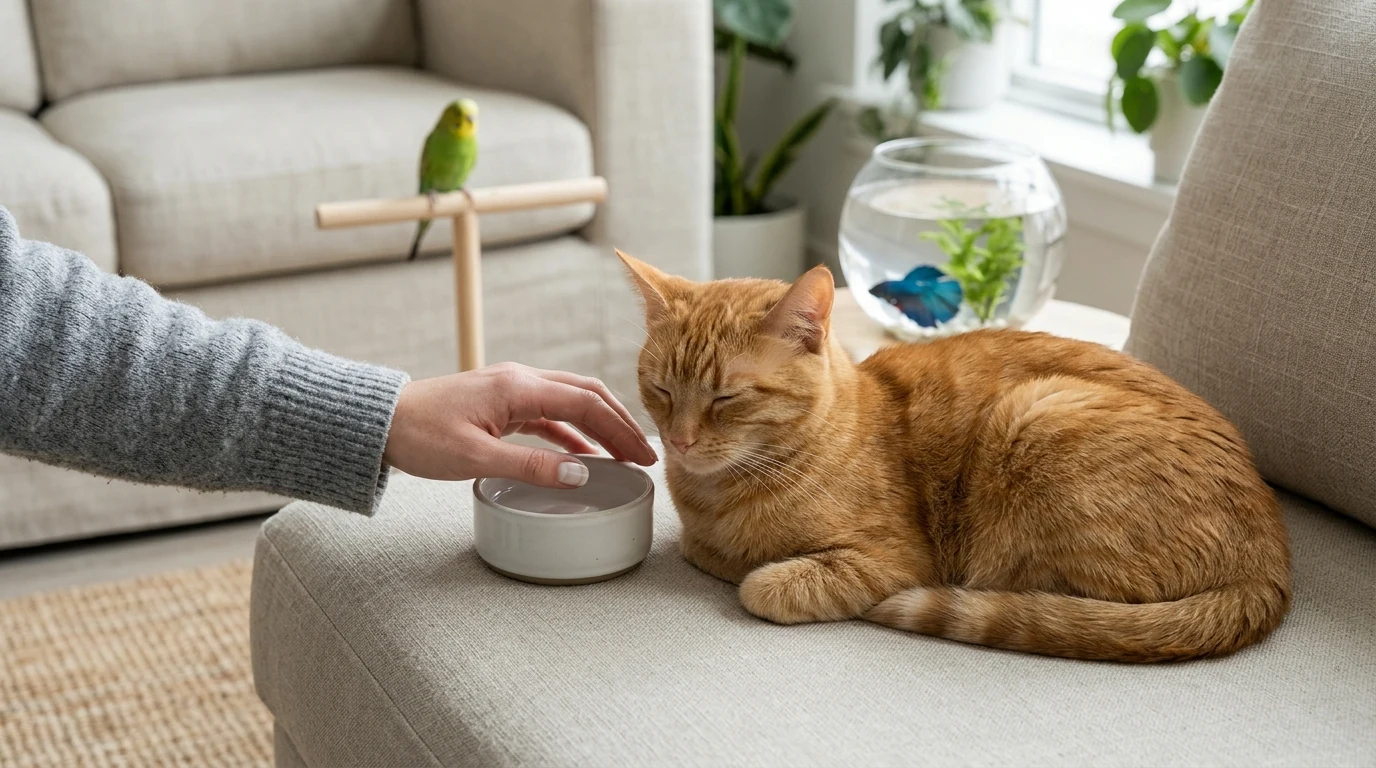
What pets can help relieve stress?
Several pets can ease stress by lowering loneliness, adding routine to the day, and encouraging calming touch and focused attention. The best choice depends on your living space, time, budget, and how much interaction you want.
Dogs
Dogs are classic stress-relievers because they’re socially tuned-in and often respond to your mood with attention, play, or quiet companionship. Daily walks and simple training sessions also create structure, which can be grounding on anxious days. If you’re sensitive to noise or sudden movement, prioritize calmer breeds, adult rescues with known temperaments, and consistent training.
Cats
Cats can be soothing for people who want companionship without constant activity. Many enjoy lap time and gentle petting, and a cat’s purring is widely experienced as calming. A predictable environment, cozy hideouts, and interactive play (short, regular sessions) can support a relaxed household.
Small mammals (rabbits, guinea pigs, rats)
Rabbits and guinea pigs offer a soft, comforting presence and can become very social with regular handling. Rats are especially interactive and can learn simple behaviors, which can be surprisingly calming and engaging. These pets work well for smaller homes but still need daily care, clean habitats, and enrichment.
Fish and aquariums
Watching fish glide through an aquarium can be meditative and screen-free. Fish are typically lower-interaction pets, making them a good option if touch-based comfort isn’t essential. Keep in mind that proper tank size and water maintenance are key to avoiding the stress of frequent problems.
Birds
Some people find birds uplifting thanks to their vocalizations and intelligence. Others may find noise overstimulating, so it’s important to match the species to your tolerance. Enrichment, routine, and gentle handling can make bird care feel rewarding rather than hectic.
If household sounds make your pet uneasy (and that tension rubs off on you), a calmer routine helps both of you. For practical steps, see the guide here: https://bestpalace.shop/guide-vacuum-stress-in-pets-calm-training-plan/.
FAQ
Are pets good for anxiety and depression?
They can help by adding companionship, daily structure, and comforting sensory input like touch and rhythmic routines. They’re not a replacement for professional care, but many people find them supportive alongside other strategies.












Leave a comment